Asbestos planning for Puyallup properties
Puyallup incorporated in 1890 during the valley’s hop-farming boom, with Ezra Meeker as its first mayor, and today hosts the Washington State Fair. Its housing is younger on average than Tacoma’s: the 2024 ACS five-year estimates show 39.3% of homes built in 1979 or earlier and 7.1% before 1940.
City limits versus Puyallup mailing addresses
Puyallup mailing addresses also cover unincorporated South Hill, which lies outside the city. Permits follow jurisdiction rather than the ZIP code, so a demolition or remodel on South Hill goes through Pierce County instead of the City of Puyallup. PSCAA’s rules apply on both sides of the line; if a parcel may be tribal trust land, confirm which agency has authority before filing.
Older valley homes
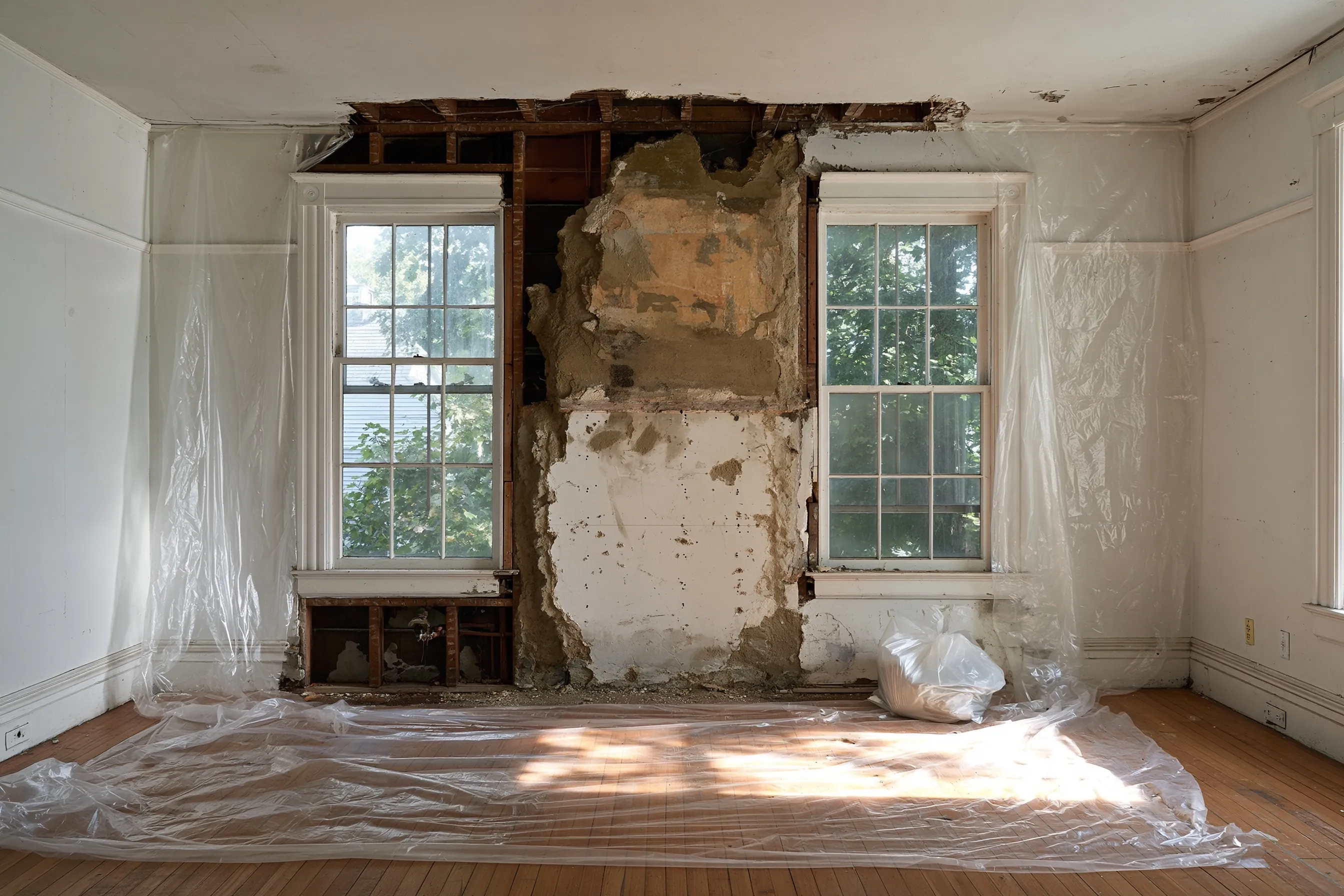
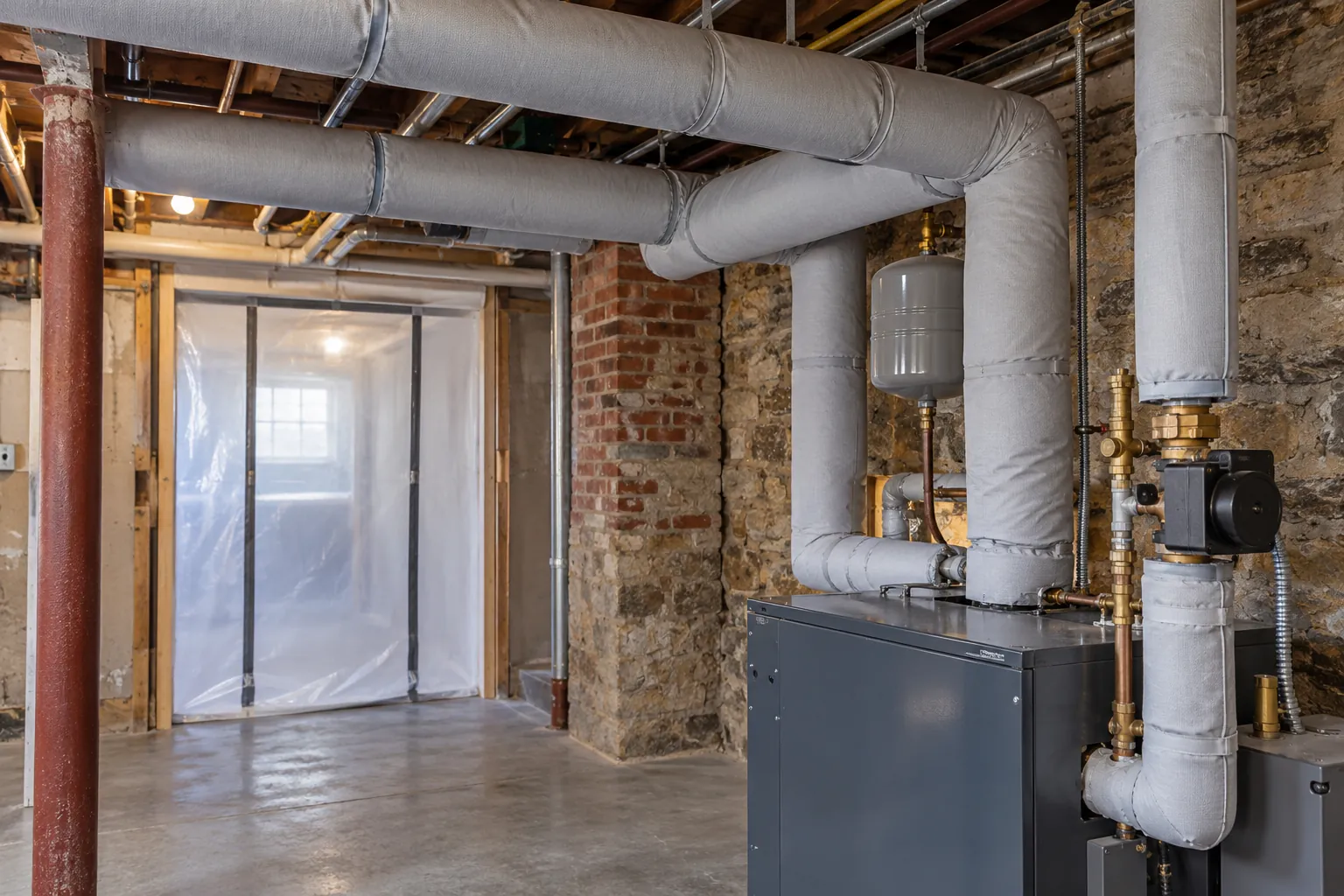
The oldest Puyallup houses are the ones most likely to combine several suspect materials: plaster walls, boiler or pipe insulation, layered floors and cement siding added later. Houses from the 1960s and 1970s lean toward textured ceilings, joint compound and vinyl flooring. Sampling, not age, settles the question.
Pierce County disposal
Hidden Valley Transfer Station at 17925 Meridian Street East accepts asbestos waste generated in Pierce County with an Asbestos Waste Material Shipment Record. Tacoma Landfill is not an option for Puyallup projects, since it takes waste from the City of Tacoma only. Friable waste must be delivered within 10 days of removal; call the facility first for current requirements.
Garages, sheds and outbuildings
Older Puyallup lots often carry a detached garage, shop or shed alongside the house. Before any of them is torn down, PSCAA requires an AHERA survey, and a structure with more than 120 square feet of roof area also needs a demolition notification and the 10-day wait, whether or not asbestos turns up. Cement siding, roofing and old insulation on outbuildings are surveyed like the house itself.
Survey, notice and removal steps
Whatever the material, a Puyallup project moves through the same five decisions:
- Survey: identify and sample the suspect materials the work will disturb, or the whole structure before demolition.
- Decide: leave intact material alone, repair or encapsulate it where PSCAA allows, or remove it.
- Notify: file with PSCAA when friable removal exceeds 10 linear feet or 48 square feet in a year, and for any demolition over 120 square feet of roof area; contractors also give L&I notice for projects over 48 square feet or 10 linear feet.
- Remove: wet, contained work by certified workers, or by the owner-occupant in a single-family home.
- Dispose: sealed, labeled containers to an authorized facility, with a shipment record for friable waste.
Closer to the Sound, our page on asbestos removal in University Place covers mid-century suburban homes and disposal for addresses just outside Tacoma.